
Winter calf health for dairy-bred calves: getting them through to spring
Dairy calves and suckler calves are two different jobs. A suckler calf has its mother to keep it fed and, to a degree, warm. A dairy calf is taken off the cow and hand-reared, so everything it gets, from its first feed to the bed it lies on, comes from you.
In winter, cold damp sheds and busy calving blocks put them under real pressure. Here's what I'd focus on if I were in your wellies.
Colostrum: the first job, every time
A newborn calf has no antibodies of its own. Everything it has to fight scours and pneumonia over its first weeks comes from colostrum. AHDB sums it up as the 3 Qs:
- Quantity: 3 to 4 litres for the first feed. and a second feed, say 2 litres , 12 hours later.
- Quality: at least 50 g/L IgG.
- Quickly: within two hours of birth, then another feed of the same size within 12 hours.
Timing is everything. AHDB notes a calf's ability to absorb antibodies drops dramatically after about 10 hours. Colostrum quality also falls after six hours, so milk the cow as soon as you can.
Test every cow's colostrum. You can't judge it by eye. On a Brix refractometer, AHDB says above 22% can be fed or stored; below that, discard it.
If the calf won't drink it all, finish by stomach tube, done by someone trained.
Keep colostrum clean, and keep a bank of it
Bacteria in colostrum reduce antibody absorption, and in warm colostrum they can double every 20 minutes. So:
- Clean, dip and strip teats before collecting. Use clean hands or gloves and a clean bucket.
- Feed fresh colostrum within an hour, or chill or freeze it.
- AHDB's dairy guidance is up to 24 hours in the fridge at 4°C, or up to a year frozen at -18 to -20°C. Although I've always said 6 months in the freezer
- Label every batch with the date and cow number (vital if she later tests positive for Johne's).
- Thaw in a warm water bath (no hotter than 50°C) or overnight in the fridge. Never use a microwave or boiling water, because they destroy the antibodies. Feed at 38°C, within 30 minutes of warming.
I recommend pasteurising colostrum and calf milk (AHDB gives 60°C for 60 minutes for colostrum). It cuts bacteria but doesn't sterilise, so still chill or freeze afterwards, and it won't rescue poor colostrum.
This is where our 4 litre UDDA colostrum bags fit in. You can store, freeze, thaw and feed from the same bag, without risk of recontamination. A frozen bank of tested, good colostrum from cows of known health status means a heifer's calf, or one whose mother has little to give, still gets a proper first feed.
Feeding milk when it's cold
A cold calf diverts energy from growth and immunity to keep warm. AHDB puts the lower critical temperature at 10–15°C for calves under three weeks, and 5–10°C for older calves. Wind and damp make it worse.
AHDB's rule of thumb:
- Under three weeks: feed an extra 50 g of milk replacer, or 0.33 litres of whole milk, per day for every 5°C below 15°C.
- Over three weeks: the same extra for every 5°C below 10°C, with starter feed always available.
AHDB also advises a replacer with at least 18% fat, no more than 160 g of powder per litre, and no more than 12 hours between feeds (consider three a day). Keep it consistent: same mix, temperature and times, whoever is feeding. And fresh water at all times; check it hasn't frozen.
Housing: fresh air, no draughts, deep straw
Calves need fresh air even in midwinter, just no draught at calf level. Stale, damp air drives pneumonia; cobwebs and a dripping roof are warning signs.
Do the nesting test. When a calf lies down, you shouldn't see its back legs. If you can, add straw. Straw beats sawdust, shavings or sand in winter.
Calf jackets help the youngest or unwell calves. Wash and disinfect them between calves.
Hutches or group pens both work if the bed is dry, the air fresh and they're not overstocked. Remember calves must be group-housed from 8 weeks old unless your vet advises otherwise.
Clean out between batches. Muck out, wash, disinfect, then let it dry. Crypto hates dry conditions, and drying is the step that gets skipped. For the disinfecting step I use TK Swordsman, our Moredun-tested wide-spectrum disinfectant for calf accommodation. It deals with a wide range of on-farm infections, including Cryptosporidium, Salmonella, E. coli and ringworm.
Scours: hygiene, fluids and keep the milk going
AHDB lists the main infectious causes of calf scour as cryptosporidium (38%), rotavirus (34%), coccidiosis (18%), coronavirus (6%) and E. coli (4%). Managements can differ, so get your vet to test dung samples if you have a run of scours. We have a nifty scour test kit available.
Prevention comes down to colostrum, cleanliness and not mixing ages:
- Feed and handle healthy calves before sick ones, and keep separate feeding kit for sick calves.
- Isolate scouring calves.
- Don't mix older calves with young ones, because older calves can still be shedding.
- Talk to your vet about vaccinating dry cows against rotavirus, coronavirus and E. coli.
When a calf scours, keep feeding milk unless its a severe scour and the calf is not drinking. I'd say NOT to tube feed milk. Fluids save calves. AHDB advises 2 litres of oral electrolytes 2–4 times a day, while still offering normal amounts of milk or milk replacer if the calf wants it. Milk is its energy supply. Starving a scouring calf only weakens it.
Our RehydroGEL is a liquid electrolyte feed for scouring calves that can be mixed with milk or milk replacer, which saves an extra feed on a busy day. We also do Life Guard electrolyte. Always follow the label. Life Guard can be fed 4 hours away from milk, so you can give a 'milk lunch' or an early sachet, milk breakfast, sachet at tea time.
Pneumonia: air, stocking and stress
Pneumonia comes from bugs, a poor environment and stress, on top of low immunity from poor colostrum. So:
- Get ventilation right without creating draughts.
- Don't overstock.
- Avoid mixing different ages in the same air space.
- Spread out stressful jobs like disbudding, group changes and weaning.
Vaccines are available, so talk to your vet about what fits your herd's problems.
Monitoring: know how you're doing
- Blood test calves. AHDB suggests your vet samples at least 12 calves aged under a week, for IgG or total protein. "Good" is TP above 55 g/L. If fewer than 80% of calves make the grade, look again at your colostrum routine.
- Weigh calves at birth and weaning (a weigh tape will do). Slow growth flags problems early.
- Record scours, pneumonia and treatments so you and your vet can spot patterns.
- Hang a min-max thermometer at calf height so you know when to step up the milk.
Winter dairy calf checklist
- 3 - 4 litres of tested colostrum (Brix above 22%) within 2 hours, and a second feed within 12 hours
- Frozen colostrum bank, labelled with date and cow number
- Milk stepped up when calf-height temperature drops below 15°C
- Fresh, unfrozen water every day
- Back legs hidden when calves lie down
- Fresh air, no draughts at calf level
- Pens cleaned, disinfected and dried between calves
- Electrolytes plan ready, and milk kept going for scouring calves
- Vaccination plan agreed with your vet
- Passive transfer blood tests done this winter
Need a hand?
If you'd like to talk through your calf routine for this winter, ring me on 01772 690131. You don't need to be placing an order. And for anything clinical, a scour outbreak or calves that aren't right, get your own vet involved early.
Graham Shepherd BVM&S MRCVS, G Shepherd Animal Health
Sources
- AHDB: 3 Qs of feeding colostrum
- AHDB: Colostrum hygiene
- AHDB: Using a Brix refractometer
- AHDB: Feeding whole milk to dairy calves
- AHDB: Calves in cold weather
- AHDB: Youngstock housing, temperature, humidity and ventilation
- AHDB: Dairy housing, youngstock and heifers (PDF)
- AHDB: Controlling cryptosporidiosis in dairy calves
- AHDB: Understanding pneumonia and lung scanning
- AHDB: Calf management guide 2023 (PDF)
Related Products

UDDA Colostrum Bags / Colostrum Management Kit
UDDA Bags- available in two sizes- 3 litres & 4 litres with or with out..
£32.94 £27.45

First Thirst Calf Colostrum Fortifier - Powdered Supplement 2.25kg
UK ONLY This is one of our original products and still one of our best sellers. We now add i..
£164.54 £164.54

TK Swordsman Disinfectant 5kg
Prevention is better than cure. Whether calving, lambing or calf-rearing thorough attention to achie..
£130.55 £108.79

Life Guard Calf Electrolyte sachets
PLEASE ORDER REHYDROGEL Liquid Electrolyte, as we are out of stock of Lifeguard until around 18th No..
£33.99 £33.99

RehydroGEL Calf Electrolyte Liquid 1 litre or 5L refill
RehydroGEL Calf Electrolyte Liquid 1 litre is A COMPLEMENTARY ELECTROLYTE FEED FOR ..
£26.75 £26.75
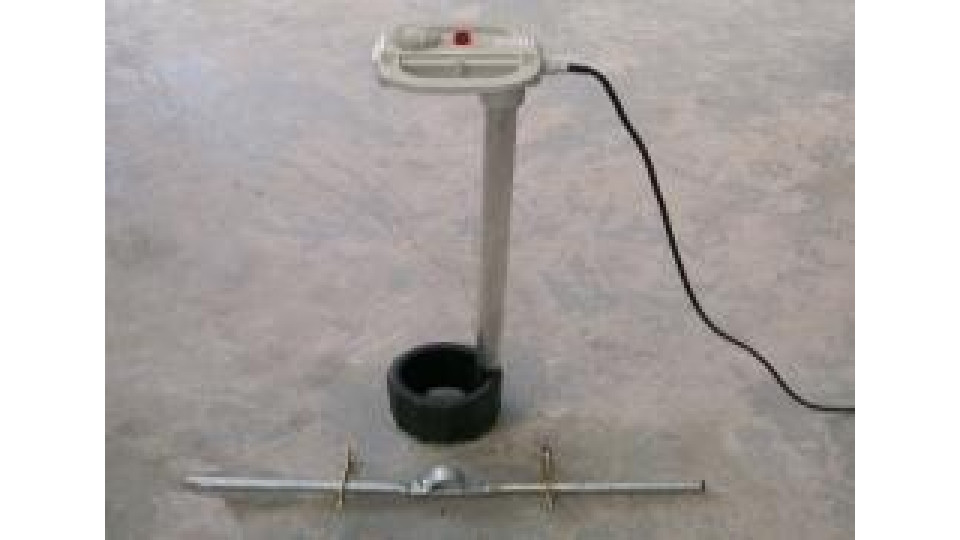
Colostrum Thawer / Milk Warmer /Milk Heater Superheat Muller
CONTROLLED THAWING OF COLOSTRUM- N.B. THIS IS TEFLON COATED AND HIGHER POWER UNLIKE SOME OTHERS ON T..
£273.60 £228.00

Brix Refractometer with Light
Offer price is for website purchases only. A BRIX type Optical Refractometer for measuring ..
£57.60 £48.00
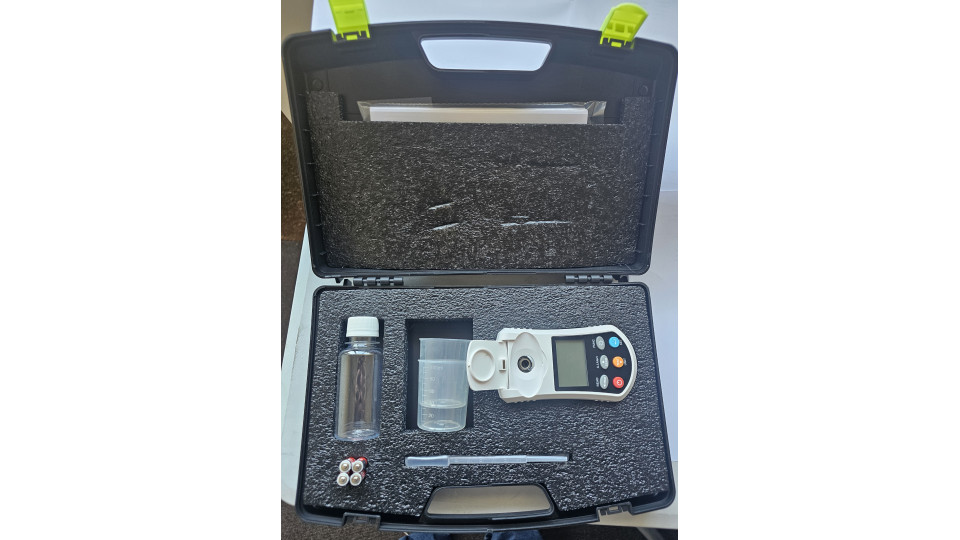
Digital Refractometer - FETF280CA - Handheld digital Brix refractometer
FETF280CA - Handheld digital Brix refractometer This item has the following specification &..
£372.00 £310.00
You might also like
Are we feeding live Johnes disease / MAP in calf milk replacer?
Are we feeding live Johnes / Mycobacterium avium subsp. paratuberculosis in calf milk replacer? S...Read more

SHEPHERD AGRI invests in dairy hygiene with new appointment
Better dairy hygiene products and advice can help farmers to boost animal health and productivity, a...Read more
Study shows heat-treated colostrum performs better
A study recently published in the Journal of Dairy Science showed that heat-treating colostrum suppo...Read more

Pasteurising milk and colostrum reduces calf scours
Pasteurising milk and colostrum for calf feeding is becoming more popular in the UK. ...Read more