
Summer mastitis can cause serious and permanent udder damage in dry cows and heifers if it's not spotted early. Although it's less common than conventional mastitis, cases tend to be severe and are most often seen during the fly season from June to September.
It often caused toxaemia and a very sick cow
What makes summer mastitis different?
Unlike typical mastitis cases, which are often caused by bacteria such as Staphylococcus aureus or Streptococcus uberis, summer mastitis usually involves a combination of different bacteria. The most common is Trueperella pyogenes (which used to be called Corynebacterium pyogenes), which works alongside other bacteria to cause a severe infection. This last bugs name, ‘pyogenes’ means ‘makes pus’ !!
Flies play a major role in spreading the disease. They are attracted to damaged teat skin and can carry bacteria from one animal to another. This is why summer mastitis is mainly seen during the warmer months, typically from June to September.
Which animals are most at risk?
The animals most likely to develop summer mastitis are:
- Heifers grazing in wet, sheltered, or heavily shaded fields
- Dry cows that are not being checked regularly
- Animals with cuts, scratches, or insect bites on the teats or udder
Signs to watch out for
Because dry cows and heifers are not being milked every day, early signs can be easy to miss.
Watch for:
- Swelling in one quarter of the udder
- Redness or heat in the affected area
- A raised temperature
- Reluctance to move or signs of discomfort
In more advanced cases, the infected quarter may produce a foul-smelling discharge and the animal can become seriously ill.
If left untreated, summer mastitis can permanently damage the udder and, in severe cases, lead to loss of the affected quarter.
How can you reduce the risk?
1. Check grazing animals regularly
Inspect heifers and dry cows every 2–3 days during the grazing season so any problems can be spotted early.
2. Control flies
Use fly repellents where appropriate and avoid grazing high-risk animals in wet, marshy fields or areas close to standing water, running water and trees. However cows need shade from the sun! Insecticid pour ons, sprays and barriers can be used. Suitable barrier, although relatively short to medium term are Dry-Dip and Beech Tar
3. Keep teat and udder skin healthy
Even small scratches, abrasions, or insect bites can allow bacteria to enter the udder. Supporting skin health and helping damaged skin recover quickly can reduce this risk. If you see damaged skin, flies and flies pestering the teat end then that cow needs penning up and sprayed with fly spray and repellent. Any swelling is likely the start of summer mastitis. Consider housing her
4. Act quickly if you spot a problem
Any changes to the udder of a dry cow or heifer should be investigated promptly. Contact your vet if theer is mastitis. Start be stripping all the toxic ‘gunk’ out of the quarter and follow your vets advice on medical treatment.
Related Products
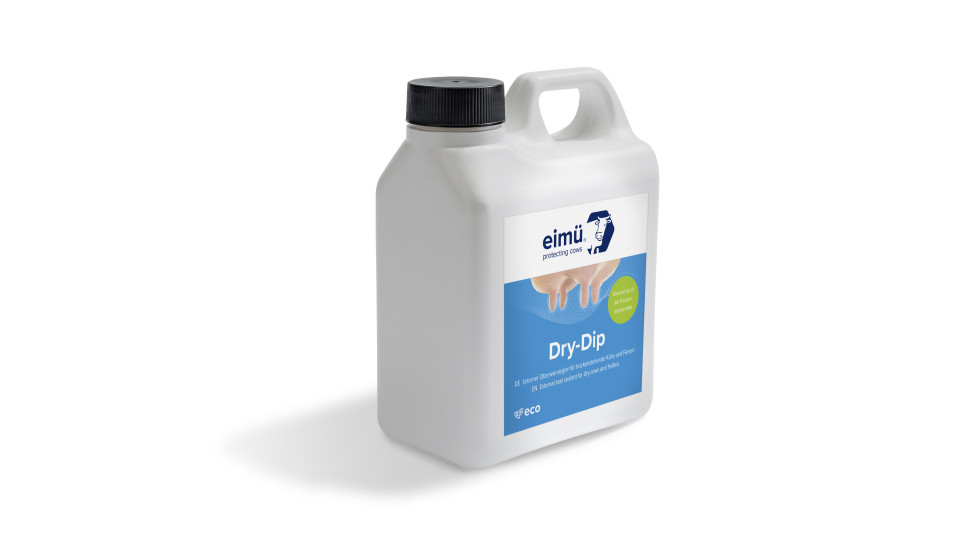
DRY-DIP External teat sealant
This is exactly the same as T-Hexx, but made in Germany. A teat protection dip that seals t..
£95.76 £79.80
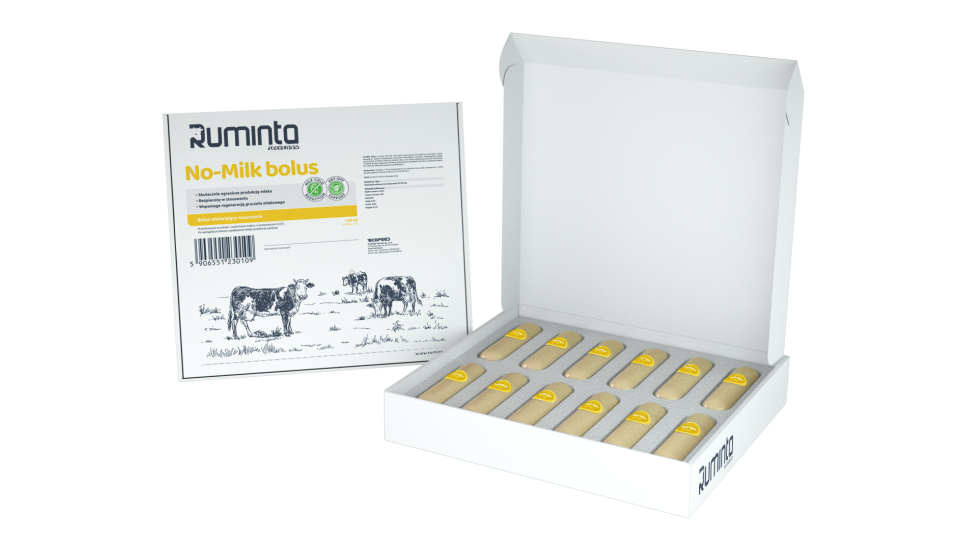
No-Milk bolus
Bolus to support drying off. No-Milk bolus is a bolus for dairy cows intended for administration ..
£200.00 £200.00
You might also like
Are we feeding live Johnes disease / MAP in calf milk replacer?
Are we feeding live Johnes / Mycobacterium avium subsp. paratuberculosis in calf milk replacer? S...Read more

SHEPHERD AGRI invests in dairy hygiene with new appointment
Better dairy hygiene products and advice can help farmers to boost animal health and productivity, a...Read more
Study shows heat-treated colostrum performs better
A study recently published in the Journal of Dairy Science showed that heat-treating colostrum suppo...Read more

Pasteurising milk and colostrum reduces calf scours
Pasteurising milk and colostrum for calf feeding is becoming more popular in the UK. ...Read more