
Winter calf health for suckler calves: what I'd focus on this season
A suckled calf born in autumn or winter has a lot going for it. It's on its mother, drinking whole milk when it wants. But it's also facing a long housed period, a shed that gets busier and dirtier as the calving season goes on, and some bitter nights.
Suckler calves aren't dairy calves. You can't measure exactly what each one drank, and a lot depends on the cow. So most of the work is done before the calf is even born. Here's what I'd be looking at if I were in your wellies.
It starts with the cow
Good colostrum comes from a well-fed cow. AHDB's advice is to have cows at body condition score 2.5–3.0 at least a month before calving, and to feed them to meet their energy and protein needs in that last month of pregnancy.
That matters more than people think. AHDB reports a study where over one in three pre-calving suckler cows were in negative energy balance, and two in three had very poor short-term protein status. Poor energy before calving is linked to calves not getting enough antibodies. However we all know fat cows can give us calving difficulties, so it's a balance and you are a good stockperson and can group and feed your cows appropriately!
A few things I'd check:
- Body condition a month or two before calving, while there's still time to adjust.
- Minerals. AHDB recommends a high magnesium (10–15%) dry cow mineral in the last month of pregnancy.
- Trace elements such as selenium, iodine and copper. Don't guess. Ask your vet to blood test a handful of cows, especially if youve changed the feeding or youve had issues befor.
Colostrum: make sure every calf has actually sucked
AHDB's figure for suckled calves is 4 litres of good-quality colostrum within two hours of birth, or about 10% of body weight, with a second similar feed within 12 hours. The calf's ability to absorb antibodies drops significantly from about six hours after birth and has gone completely by 24 hours. Make sure the calf sucks. If in doubt get the cow in a crush, try to get the calf sucking and or milk the cow anf feed the calf with teat or tube. Or use stored colostrum from another cow. Our Udda Bags are good for this. Take care with all cows at this time, don't get your self damaged- I did once!
The worrying bit is that many suckler calves don't get there. An Edinburgh University study quoted by AHDB found about one in five suckler calves didn't get enough antibodies from colostrum.
The calves most at risk, according to AHDB, are those from an assisted calving, calves from heifers, twins, bull calves, and any calf that needed help to feed. Those are the ones to watch. Seeing a calf near the udder isn't the same as seeing it suck. Check for a full belly and a cow whose teats have been stripped out.
That's where a small colostrum bank earns its keep. Our 4 litre UDDA colostrum bags let you store, freeze, thaw and feed from the same bag, without risk of recontamination. Freeze good colostrum from cows you know, and label it with the date and cow number. When a heifer has a weak calf at 3am, it's there. AHDB advises thawing in a warm water bath, never in a microwave or boiling water, and not heating above 40°C.but Id say you need to start your water off at 48C and have a system of keeping it at 40C like one of our warmers. Frozen colostrum should be used within six months. Don't bank colostrum from cows that test positive for Johne's.
Scours: keep the shed clean as the season goes on
NADIS says rotavirus is the most common cause of severe scour in young suckler calves, typically at 8–14 days old. Cases build up in the second and third months of the calving period, and infection spreads fastest in housed calves. Coronavirus and K99 E. coli also play a part. Cryptosporidium usually hits suckler calves at 10–21 days. It can survive in buildings for months, so a shed used for autumn calving and then spring lambing is a real risk.
What helps:
- Dam vaccination. Pre-calving vaccines raise antibodies in colostrum against rotavirus, coronavirus and E. coli. Since 2024 there has also been a licensed vaccine for cows against Cryptosporidium parvum. Both only work if the calf drinks enough colostrum. Talk to your vet about timing.
- Clean calving pens. Muck out and disinfect between calvings where you can. For the disinfecting step I use TK Swordsman, a Moredun-tested, wide-spectrum disinfectant that deals with a wide range of on-farm infections, including Cryptosporidium, Salmonella, E. coli and ringworm. Let pens dry before the next cow goes in.
- Keep young and older calves apart. AHDB advises keeping calves under a week old away from older calves.
- Treat with fluids. Most suckler scours are viral, so electrolytes, not antibiotics, are the main treatment. Keep the calf on the cow if you can and give oral electrolytes between feeds. A calf that won't suck or can't stand needs your vet. I obviously recommend our Life Guard sachets or RehydroGEL liquid electrolyte.
Pneumonia in housed suckled calves
Autumn-born calves housed with their mothers share an airspace with big cattle, and that's a pneumonia risk. NADIS and FAS give the same advice: fresh air without draughts at calf height, no overcrowding, and no mixing of age groups.
- Ventilation. Air should come in under the eaves and leave at the ridge. Condensation on the roof, cobwebs and a smell of ammonia on a still night all mean it isn't working. Never shut a shed up to keep it warm.
- Creep area. Give calves their own well-bedded creep area with good airflow. FAS suggests letting them get outside too, if you can.
- Stocking and mixing. Avoid bringing in other cattle, or "tail-end" older stock, in the same shed.
- Stress. Don't stack housing, castration, disbudding and weaning on top of each other. FerAppease reduces stress and helps immunity at these times.
- Vaccination. Your vet can tell you which respiratory vaccines fit your herd, and when to give them before the high-risk spells.
Cold stress: wind and wet are the real enemies
AHDB says a newborn calf starts burning extra energy to keep warm at about 9°C in still air. In a 2 m/s draught that rises to 17°C. Wet coats and wet bedding make it much worse.
- Bedding. Deep, dry straw that a calf can nest in is the best protection you can give. Try AHDB's "squelch test": if you jump on the bed and it squelches, it needs mucking out.
- Shelter from wind at calf height, especially in outdoor or open-fronted setups.
- Calf jackets can help calves under three weeks old when it drops below 15°C. Only put them on dry calves, and wash them at 60°C between calves.
- Feed. A cow that's milking well is the calf's main energy supply in a cold spell, which brings us back to cow nutrition.
Creep feeding and weaning
From a few weeks old, creep feed helps calves grow and gets the rumen going before weaning. NADIS also warns that suckler calves on lots of milk and little else are at risk of low magnesium (calf tetany) from about two months of age. Creep feed and good forage help there.
When it's time to wean, do it gradually and keep the cows within sight or earshot of the calves, as FAS advises. Don't vaccinate, move and change diet all in the same week. Again FerAppease is a gamechanger here!
BVD and IBR: protect the whole herd
BVD hits calves hard. It lowers immunity, so scours and pneumonia get worse, and persistently infected (PI) calves spread it. Test, find and remove PIs, vaccinate where your vet advises, and buy in carefully. In England, the Animal Health and Welfare Pathway funds an annual vet review for herds of 11 or more beef cattle, and that review includes BVD testing. Scotland, Wales and Northern Ireland have their own BVD programmes. Ask your vet about IBR status and vaccination at the same time.
Quick winter checklist for suckler herds
- Cows in condition score 2.5–3.0 a month before calving
- Dry cow mineral with magnesium; trace elements checked with your vet
- Every calf seen sucking within two hours of birth (aim: 4 litres)
- Frozen colostrum bank ready for weak calves, heifers' calves and twins
- Pre-calving scour vaccines discussed with your vet
- Calving pens cleaned, disinfected and dried between cows
- Shed passes the smell, cobweb and condensation test
- Dry, deep bedding in a draught-free creep area
- BVD and IBR status known and herd health plan up to date
Want to talk it through?
Every suckler unit is different, and your own vet knows your herd best. If you'd like a chat about colostrum storage, shed hygiene , ferAppease or anything in this article, ring me on 01772 690131. You don't need to be placing an order.
Graham Shepherd BVM&S MRCVS, G Shepherd Animal Health
Sources
- AHDB: Colostrum management for suckler calves
- AHDB: Calves in cold weather
- AHDB: Calf care after calving
- AHDB: Understanding pneumonia and lung scanning
- AHDB: Animal Health and Welfare Pathway payment increases (Feb 2026)
- NADIS: Calf scour in suckler herds
- NADIS: Calf nutrition and colostrum management
- NADIS: Calf housing
- FAS: Checklist to minimise risk of pneumonia
- FAS: Pneumonia in beef cattle (TN571)
- VMD: Bovilis Cryptium product information
Related Products
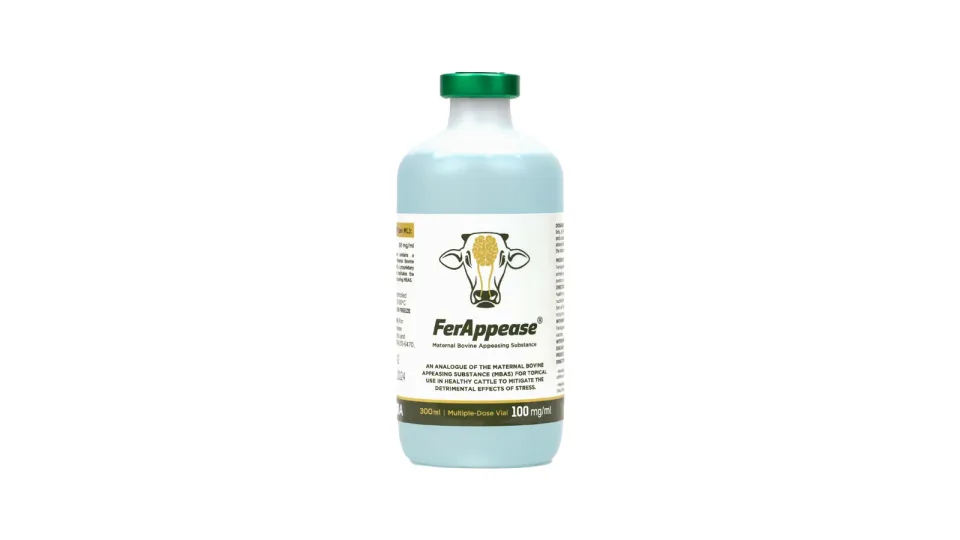
FerAppease pheromone for cattle
Now also available in 100 ml bottles with built in measure. HOUSING OFFER UNTIL END OF NOVEMBER 2..
£144.00 £120.00

RehydroGEL Calf Electrolyte Liquid 1 litre or 5L refill
RehydroGEL Calf Electrolyte Liquid 1 litre is A COMPLEMENTARY ELECTROLYTE FEED FOR ..
£26.75 £26.75

Life Guard Calf Electrolyte sachets
PLEASE ORDER REHYDROGEL Liquid Electrolyte, as we are out of stock of Lifeguard until around 18th No..
£33.99 £33.99

TK Swordsman Disinfectant 5kg
Prevention is better than cure. Whether calving, lambing or calf-rearing thorough attention to achie..
£130.55 £108.79
You might also like
Are we feeding live Johnes disease / MAP in calf milk replacer?
Are we feeding live Johnes / Mycobacterium avium subsp. paratuberculosis in calf milk replacer? S...Read more

SHEPHERD AGRI invests in dairy hygiene with new appointment
Better dairy hygiene products and advice can help farmers to boost animal health and productivity, a...Read more
Study shows heat-treated colostrum performs better
A study recently published in the Journal of Dairy Science showed that heat-treating colostrum suppo...Read more

Pasteurising milk and colostrum reduces calf scours
Pasteurising milk and colostrum for calf feeding is becoming more popular in the UK. ...Read more